
Neuropathy Pain Relief in Pasadena, CA
Understanding Nerve Pain, Its Causes, and How to Find Relief
At iSpine in Pasadena, CA, we understand the impact neuropathy pain can have on your life. Affecting the peripheral nerves, neuropathy can cause numbness, tingling, burning sensations, weakness, and even loss of coordination. This nerve damage often affects the hands and feet, making everyday activities challenging.
Our goal is to help you understand neuropathy, including its symptoms, causes, and types, so you can make informed decisions about your health and explore effective ways to manage your symptoms.
What is Neuropathy?
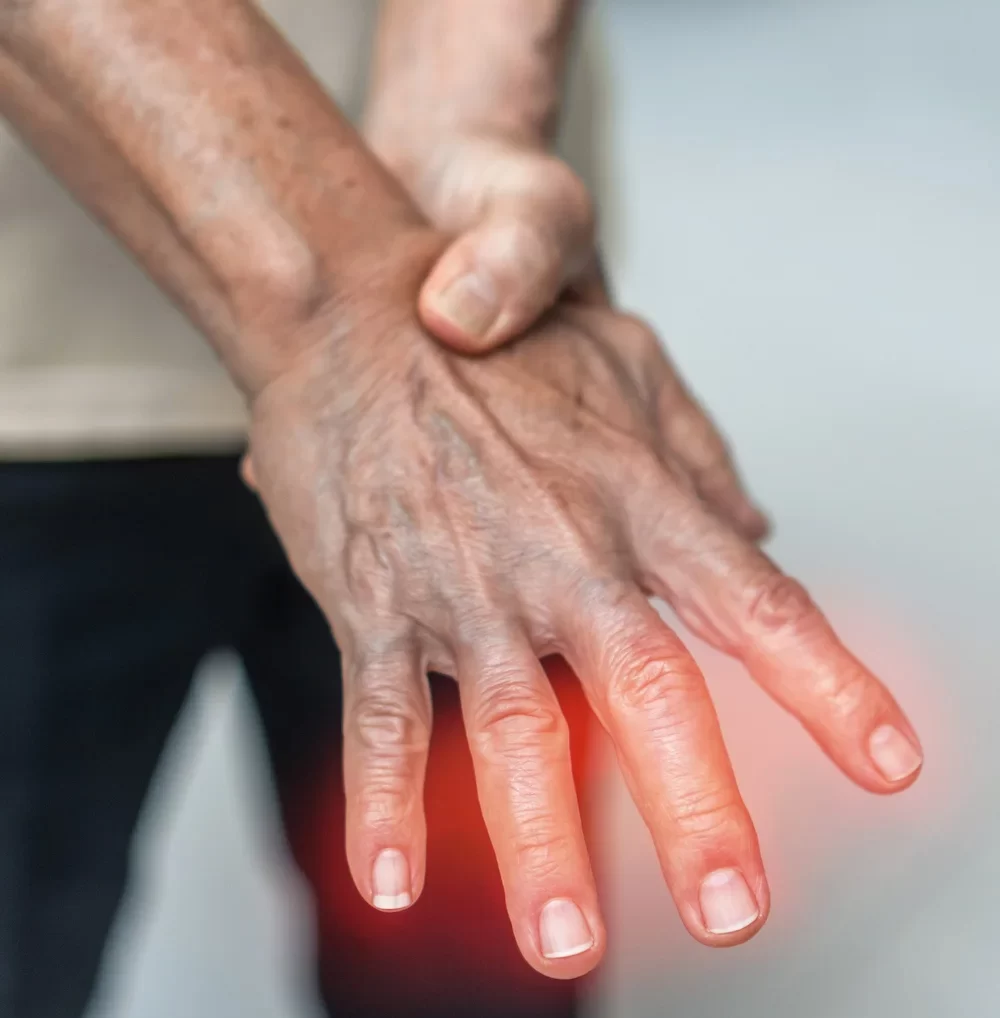
Neuropathy refers to damage or dysfunction of the peripheral nervous system, which connects the brain and spinal cord to the rest of the body. This condition disrupts the communication between the brain and muscles, skin, and internal organs. Neuropathy can affect sensory nerves (responsible for sensation), motor nerves (controlling muscles), or autonomic nerves (regulating involuntary functions like heart rate and digestion).
Common Symptoms of Neuropathy
- Numbness or reduced ability to feel sensations
- Tingling, pins-and-needles, or prickling sensations
- Burning, sharp, or electric-like pain
- Increased sensitivity to touch or temperature changes
- Muscle weakness or cramping
- Balance difficulties or loss of coordination
- Changes in skin, hair, or nails in affected areas
- Digestive issues, blood pressure fluctuations, or excessive sweating (in cases of autonomic nerve involvement)
Types of Neuropathy Pain
Understanding the types of neuropathy helps determine the best course of action for symptom management. Below are the most common types:
1. Peripheral Neuropathy
This is the most common type, affecting sensory, motor, or autonomic nerves in the hands, feet, legs, and arms. It often causes numbness, tingling, burning pain, and muscle weakness, particularly in a “stocking-glove” pattern.
2. Focal Neuropathy
This type affects a single nerve or group of nerves, typically in the head, torso, or legs. Symptoms can include sudden pain, muscle weakness, or paralysis in specific areas, such as carpal tunnel syndrome (wrist) or sciatica (leg).
3. Autonomic Neuropathy
This type impacts the autonomic nerves, which control involuntary bodily functions like heart rate, digestion, and blood pressure. Symptoms may include digestive issues, bladder dysfunction, excessive sweating, sexual dysfunction, or dizziness when standing.
4. Proximal Neuropathy (Diabetic Amyotrophy)
A rarer form of neuropathy that affects the hips, thighs, or buttocks, causing weakness, pain, and difficulty moving. It often occurs in people with diabetes.
5. Cranial Neuropathy
This type affects one of the cranial nerves, which connect the brain directly to various parts of the head and neck. It may cause facial pain, vision changes, or hearing loss depending on which nerve is affected.
6. Entrapment Neuropathy
Occurs when a nerve is compressed or trapped by surrounding tissues, often due to repetitive motion or injury. Common examples include carpal tunnel syndrome (wrist) and thoracic outlet syndrome (shoulder area).
7. Chemotherapy-Induced Neuropathy
Certain chemotherapy medications can damage nerves, causing numbness, tingling, or burning sensations, usually in the hands and feet.
Common Causes of Neuropathy
- Diabetes (Diabetic Neuropathy)
- Chemotherapy and Other Medications
- Nutritional Deficiencies (e.g., B12, B6, E)
- Autoimmune Diseases (e.g., lupus, rheumatoid arthritis, Guillain-Barré syndrome)
- Infections (e.g., Lyme disease, shingles, HIV/AIDS, hepatitis C)
- Physical Trauma or Nerve Compression (e.g., herniated discs, carpal tunnel syndrome)
- Alcoholism (alcoholic neuropathy)
- Exposure to Toxins (e.g., heavy metals, industrial chemicals)

Frequently Asked Questions (FAQ) About Neuropathy
What does neuropathy pain feel like?
Neuropathy pain can feel like burning, sharp stabbing, electric shocks, numbness, or tingling. Some people experience heightened sensitivity, where even light touch causes significant discomfort.
Can neuropathy go away on its own?
If the underlying cause of neuropathy is treated (such as controlling blood sugar levels in diabetes or correcting nutritional deficiencies), symptoms can improve. However, once nerve damage is significant, it may not fully reverse.
How is neuropathy diagnosed?
Diagnosis involves a physical exam, neurological testing, and review of your medical history. Further tests like nerve conduction studies, EMG, blood tests, or imaging may be used to determine the cause and severity.
Is neuropathy always caused by diabetes?
No, while diabetes is a leading cause, neuropathy can result from various other conditions, including injuries, autoimmune disorders, infections, and exposure to toxins.
Can neuropathy affect mobility and balance?
Yes, neuropathy—especially in the feet—can impair balance and coordination, leading to an increased risk of falls and mobility issues.
Are there treatments available for neuropathy?
While nerve damage may not always be reversible, treatments such as medications, physical therapy, nutritional support, and lifestyle modifications can help manage symptoms and slow progression.
Learn More About Managing Neuropathy Today
If you or a loved one is experiencing neuropathy symptoms, early recognition and action are crucial. At iSpine in Pasadena, CA, we provide resources and guidance to help you understand nerve pain, its causes, and potential management strategies.
Contact us today to schedule a consultation and begin exploring your options for neuropathy relief and better nerve health.
Meet The Doctor

CHIROPRACTOR
Dr. Fadi Al-Selhi, D.C.